Essential Tips for Stunning Real Estate Photography
- Gerardo
- Feb 21
- 3 min read

Real estate photography is not just about taking pictures of properties; it’s about capturing the essence of a space and showcasing it in a way that attracts potential buyers. With the right techniques and tools, you can create stunning images that highlight the best features of a property. This guide will provide you with essential tips to elevate your real estate photography skills.
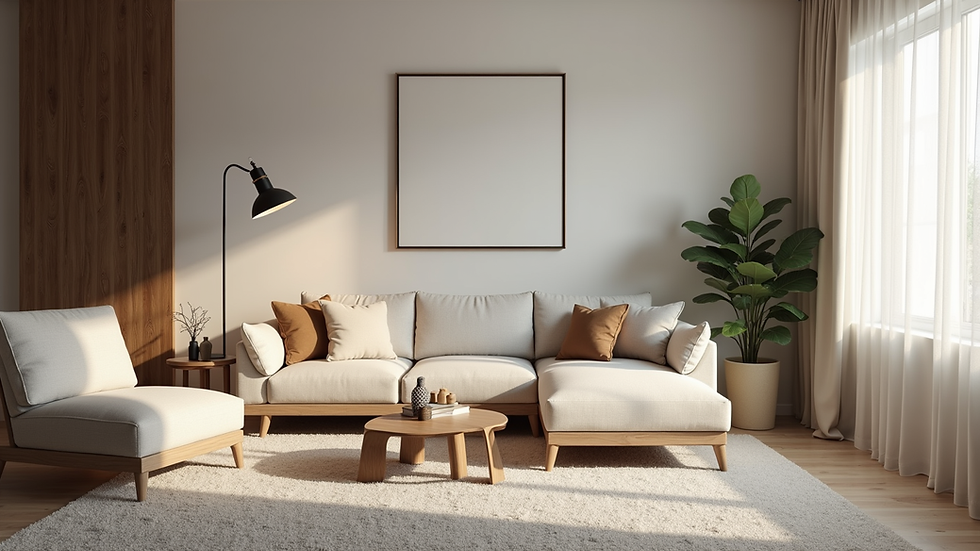
Understanding Your Equipment
Choose the Right Camera
While professional cameras can produce high-quality images, many modern smartphones also have excellent cameras. If you’re serious about real estate photography, consider investing in a DSLR or mirrorless camera. Look for features like:
Interchangeable lenses: This allows for versatility in capturing different types of shots.
Full-frame sensors: These sensors perform better in low light and provide a wider dynamic range.
Tripod compatibility: A sturdy tripod is essential for stability and long exposure shots.
Lenses Matter
The lens you choose can significantly impact your photos. For real estate photography, a wide-angle lens (between 16mm to 24mm) is ideal for capturing entire rooms and making spaces appear larger.
Accessories to Consider
Tripod: Essential for stability, especially in low-light conditions.
Remote shutter release: This helps prevent camera shake when taking photos.
Lighting equipment: Consider using external flashes or continuous lights to enhance indoor shots.
Mastering Composition
Rule of Thirds
The rule of thirds is a fundamental principle in photography. Imagine dividing your image into nine equal parts with two horizontal and two vertical lines. Place key elements along these lines or at their intersections to create a balanced composition.
Leading Lines
Use leading lines to guide the viewer’s eye through the image. This could be a pathway, a row of trees, or even the lines of a staircase. Leading lines create depth and draw attention to the focal point of the photograph.
Framing
Use natural elements to frame your subject. For example, doorways, windows, or even trees can create a frame within your image, adding depth and interest.
Lighting Techniques
Natural Light
Natural light is your best friend in real estate photography. Schedule your shoots during the golden hour—shortly after sunrise or before sunset—when the light is soft and warm. Open curtains and blinds to let in as much light as possible.
Artificial Lighting
If natural light isn’t sufficient, consider using artificial lighting. Softboxes or LED panels can help illuminate dark areas without creating harsh shadows.
Avoid Mixed Lighting
When shooting indoors, avoid mixing different light sources (like daylight and incandescent bulbs) as this can create color balance issues. Stick to one type of light source for a more cohesive look.
Staging the Property
Declutter
Before you start shooting, ensure the property is clean and clutter-free. Remove personal items and excess furniture to make spaces look larger and more inviting.
Highlight Key Features
Focus on the property’s best features, whether it’s a stunning fireplace, a spacious kitchen, or a beautiful view. Use angles that showcase these elements effectively.
Use Props Wisely
Staging can enhance the appeal of a property. Consider adding fresh flowers, stylish decor, or even a bowl of fruit to create a welcoming atmosphere. However, avoid over-staging, which can make a space feel artificial.
Post-Processing Techniques
Editing Software
Use editing software like Adobe Lightroom or Photoshop to enhance your images. Basic adjustments can include:
Brightness and contrast: Adjust these settings to make your images pop.
Color correction: Ensure the colors in your photos are true to life.
Cropping: Remove any distractions from the edges of your images.
HDR Photography
High Dynamic Range (HDR) photography involves taking multiple exposures of the same scene and combining them to create a single image with a greater range of light and detail. This technique is particularly useful for interiors with bright windows and darker corners.
Marketing Your Photography
Create a Portfolio
Build a portfolio showcasing your best work. Include a variety of property types and styles to demonstrate your versatility. A well-organized portfolio can attract potential clients and showcase your skills.
Utilize Online Platforms
Share your work on social media platforms like Instagram and Pinterest, where visuals are key. Consider creating a website to display your portfolio and provide contact information for potential clients.
Network with Real Estate Agents
Building relationships with real estate agents can lead to more opportunities. Attend local real estate events, join online forums, and connect with agents on social media to expand your network.
Conclusion
Stunning real estate photography requires a combination of the right equipment, composition techniques, and post-processing skills. By mastering these elements, you can create images that not only showcase properties but also tell a story. Remember, the goal is to make potential buyers feel a connection to the space. Start implementing these tips today, and watch your real estate photography skills flourish.


Comments